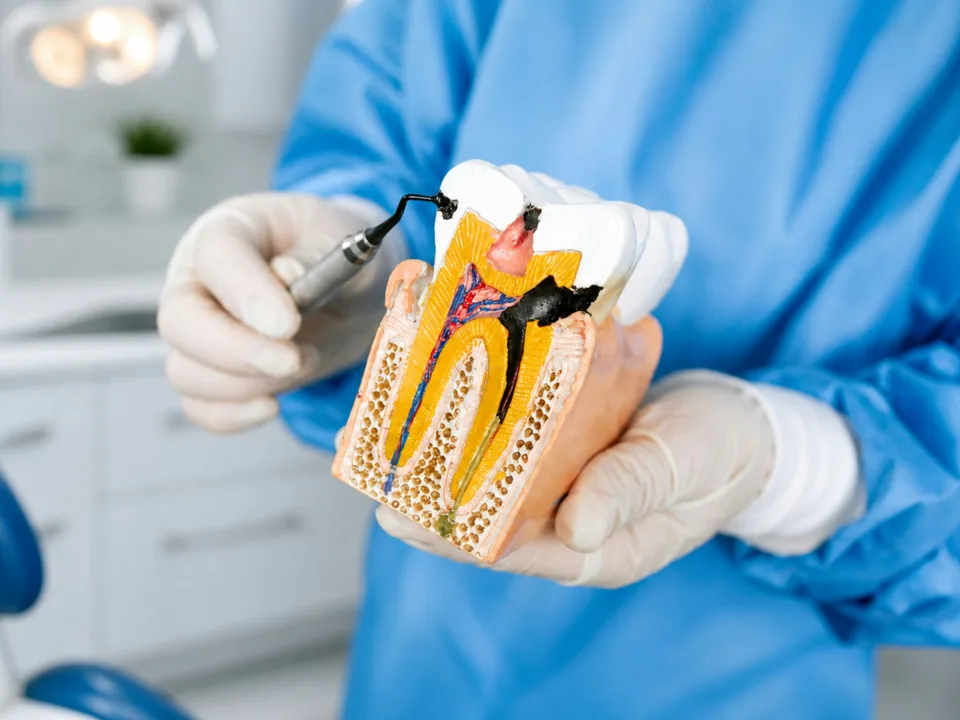
A tooth is worth extracting when it cannot be restored: a vertical root fracture, decay that has destroyed the tooth below the bone level, severe bone loss from periodontitis, or a tooth that has already had a failed root canal and re-treatment. Outside those situations, saving the tooth is almost always the better decision.
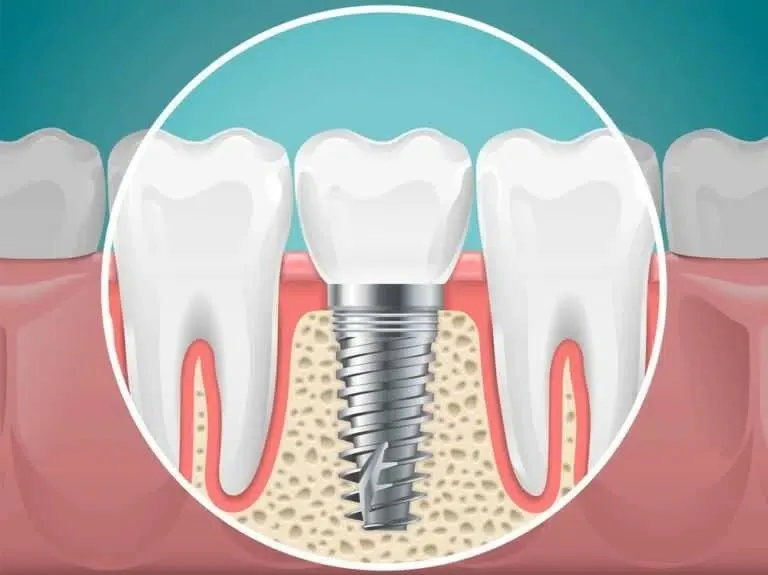
It matters because of what comes after. Every extraction starts bone resorption at the site and lets the neighbouring teeth drift. So the conversation about replacing the tooth belongs in the same appointment as the extraction, not two years later when the gap has closed and the opposing tooth has over-erupted.
The procedure is done under local anaesthesia, and you feel pressure rather than pain. Where the tooth is broken down or the roots are curved, a surgical approach with a small flap is used, which is more predictable and heals better than repeated attempts to lever out a fragile root.
You probably need this if…
- A tooth broken down to gum level
- Severe pain from a tooth that has already had a failed root canal
- A tooth loose from advanced gum disease
- A cracked tooth with a fracture running down the root
- A retained milk tooth blocking a permanent tooth
- Extraction advised as part of an orthodontic or denture plan
Recognising two or more of these does not confirm a diagnosis. It means an examination is worth booking before the problem gets more expensive.
How the treatment works
- 01 Assessment and radiograph
Confirms whether the tooth is genuinely unrestorable, and shows the root shape and its relation to the nerve or sinus.
- 02 Anaesthesia
Topical gel followed by local anaesthesia. The site is tested before starting.
- 03 Extraction
A simple extraction takes 5–15 minutes. A surgical extraction with a flap takes 20–40 minutes.
- 04 Socket management
The socket is cleaned and, where an implant is planned later, a socket-preservation graft is placed to keep the bone volume.
- 05 Aftercare and replacement plan
Written instructions, a next-day check-in, and a decision on how the gap will be replaced.
What tooth extraction costs in Lucknow
Tooth extraction cost in Lucknow depends on the tooth’s condition, its roots and whether simple or surgical removal is required. If replacement of the tooth is planned, discuss that separately so you understand the complete course of care.
Your written estimate sets out the recommended treatment and any separate charges. The guide below explains what to check before agreeing to the plan.