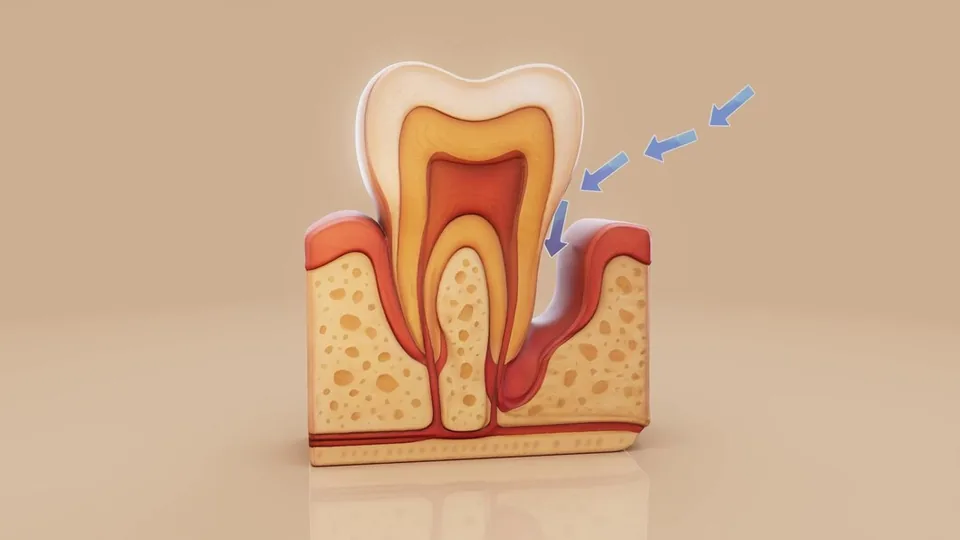
Plaque hardens into calculus, also called tartar, within about 48 hours, and once it has, no brush or floss will remove it. It sits at the gum margin holding bacteria against the tissue, which is what produces bleeding gums, bad breath and eventually bone loss.
Ultrasonic scaling removes it in about 30 minutes. Polishing afterwards smooths the surface so plaque takes longer to build up again. For most people this is a twice-yearly appointment; for smokers, diabetics and anyone with a history of gum disease, every three to four months.
The persistent Indian myth is that scaling loosens the teeth and thins the enamel. It does neither. What happens is that the tartar was splinting slightly mobile teeth and hiding recession, and removing it reveals a problem that was already there. Leaving the tartar in place to hold teeth in is not a plan.
You probably need this if…
- Gums bleed when brushing
- Visible yellow or brown deposits at the gum line
- Persistent bad breath
- Teeth feel rough or coated even after brushing
- It has been more than six months since your last cleaning
- You smoke, chew tobacco or drink several cups of tea a day
Recognising two or more of these does not confirm a diagnosis. It means an examination is worth booking before the problem gets more expensive.
How the treatment works
- 01 Examination
A full check of the teeth and gums, with pocket depths noted where there are signs of gum disease.
- 02 Ultrasonic scaling
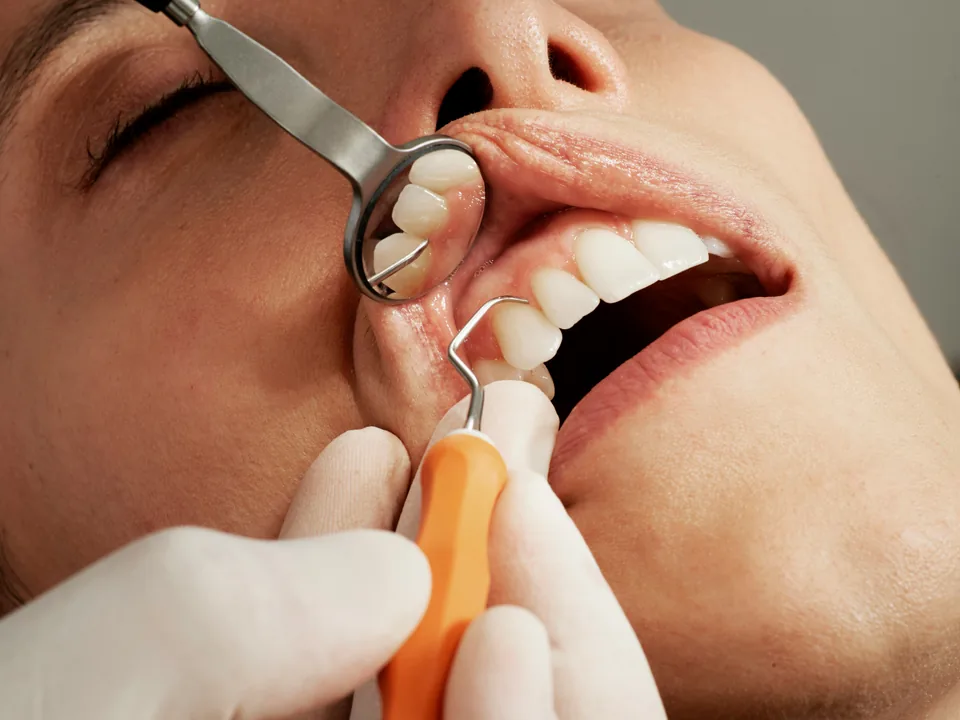
Vibration and water break the calculus off the tooth surface without cutting into enamel.
- 03 Hand instrumentation
Fine hand scalers clean the areas an ultrasonic tip cannot reach, particularly between the teeth.
- 04 Polishing
A prophy paste smooths the surface and removes surface stain, slowing re-accumulation.
- 05 Technique review
The specific areas you are consistently missing are shown to you, with a targeted correction rather than generic brushing advice.
What teeth cleaning costs in Lucknow
Teeth cleaning cost in Lucknow depends on the amount of deposits and staining and whether the gums need care beyond routine scaling and polishing. The examination helps distinguish a routine cleaning from treatment of gum disease.
Your written estimate sets out the recommended treatment and any separate charges. The guide below explains what to check before agreeing to the plan.